.png "1 (6)")
BLOG
Investing in Puglia: Analysis, Scenarios, and Opportunities
C.so Vittorio Emanuele II 5 . 72017 . Ostuni (BR) . ITALY
FLORE R.E. Group srl I P. IVA 08960780727 I R.E.A. BA 662020
Welcome to the Flore R.E. Group's Puglia Real Estate News blog!
Are you ready to discover the charm of owning a home in one of Italy's most beautiful regions?
Our consultants and experts will guide you through the world of Apulian real estate, from centuries-old trulli to historic farmhouses to modern apartments with sea views.
Whether you're looking for a vacation home, an investment, or the perfect place for your new life, our blog is your constantly updated resource. You'll find practical advice, market analysis, success stories, and everything you need to know to make an informed and confident purchase.
Join our community and start dreaming of your home in Puglia!

Widespread Hospitality & Foreign Capital: Why International Investors Are Focusing on Italy's Historic Heritage, Even in Puglia.
For High-Net-Worth (HNWI) clients and foreign investors, purchasing and redeveloping Italy's prestigious real estate is no longer just a lifestyle choice, but a strategic asset allocation operation.
The Widespread Hospitality model (a network of scattered hotels and charming residences) today represents the perfect bridge between architectural preservation and financial returns.
Here is a key analysis geared toward international targets:
1️ Growing foreign capital (+30% high-end demand)
Demand from foreign buyers (USA, UK, Northern Europe, DACH) for prestigious properties to convert or integrate into top-class hospitality networks is steadily increasing. The primary focus: historic homes, farmhouses, and villages, perceived as safe-haven assets.
2️ Net Operating Yield (Yield 6% - 10%)
Compared with major European capitals—where net residential real estate yields often don't exceed 2.5% - 3.5%—the inclusion of an outstanding historic residence in the hospitality industry guarantees a net yield of between 6% and 10%, supported by strong international demand willing to pay premium rates.
3️ ADR (Average Daily Rate) & Average Foreign Spending
High-end international tourists prefer the authenticity of a multi-story stay over a traditional hotel (a situation that's very common in the Itria Valley in Puglia):
Average daily spending per accommodation: significantly higher (+40% compared to domestic tourism).
Average stay: 5-7 nights (versus 2-3 nights for local tourism), a key factor in reducing operating turnover costs.
4️ Impact of Deseasonalization (Occupancy Rate > 60%)
While the local market suffers from seasonality, international demand extends the seasonality from April to November, with peaks for "elite remote working" even in the winter months. This ensures stable cash flows on an almost annual basis.
Conclusion for Investors & Property Owners
Combining capital and foreign demand with the Ospitalità Diffusa model means transforming a premium property into an independent real estate brand.
An operation that protects the value of the capital over time, enhances the local area, and generates excellent business returns.
Do you attract or already manage foreign investments in local real estate? What is the main lever for your typical client? Let's talk about it.
https://www.linkedin.com/in/diego-flore-4798b9a0/
Investire in Trulli: Perché l'ospitalità di lusso in Puglia offre un ritorno fino all'8-10%
Il settore turistico di alto livello in Puglia non è più un mercato di nicchia, ma una classe di investimento strutturata. Per un investitore privato o un fondo di investimento, le proprietà trullo con finiture di alto livello offrono un profilo rischio/rendimento eccezionale rispetto ad altri mercati europei.
I numeri che guidano le decisioni di investimento nel settore:
1. Prestazioni operative e flusso di cassa: ADR (Tasso medio giornaliero): 280 – 480 € a notte per un complesso di trulli finemente restaurato con piscina privata, con picchi superiori a 700 € a notte per le proprietà premium in alta stagione.
2. Tasso di occupazione: media annua tra il 62% e il 68%, trainata da una stagione efficace che si è estesa a 20-24 settimane (aprile – ottobre) grazie all'elevato turismo internazionale.
Ritorno lordo sull'investimento (ROI): 7% – 9,5% annuo, a seconda della posizione della proprietà e dei servizi di concierge.
3. Valore del capitale: scarsità e protezione dei beni, apprezzamento del capitale: +12% – 15% in un periodo di tre anni per proprietà storiche ristrutturate in località privilegiate (Valle di Itria e l'entroterra Fasano-Ostuni). L'offerta è rigida e non replicabile a causa dei vincoli del paesaggio. La scarsità di asset iconici sul mercato protegge il capitale anche durante periodi di incertezza macroeconomica.
4. Tendenze di mercato: l'espansione delle opportunità eco-lusso dell'obiettivo HNWI: il 70%+ della domanda proviene da mercati con alto potere d'acquisto (USA, Nord Europa, Regno Unito, Medio Oriente).
5. De stagionalizzazione e lavoro da remoto: crescita costante dei soggiorni bleisure durante i mesi di bassa stagione (marzo, novembre, festività), garantendo un flusso di cassa costante e riducendo il rischio di vacanze immobiliari.
Riassunto per gli investitori: Investire in trulli in Puglia ti permette di combinare il flusso di cassa operativo immediato derivante dalla gestione dell'ospitalità con un consolidamento di capitale a medio-lungo termine.
Stai pensando di diversificare il tuo portafoglio con un investimento nell'ospitalità in Puglia?
https://lnkd.in/dURDGDUT
#RealEstateInvestment #PugliaRealEstate #ROI #Yield #HospitalityInvestment #BoutiqueHotel #Trulli #ValledItria #FloreReGroup #DiegoFlorePugliaProperty
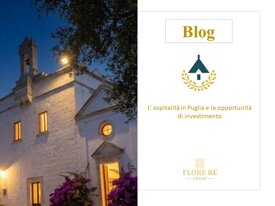
Hospitality in Puglia and Investment Opportunities
For foreign investors, this isn't just a trend, but a prime real estate opportunity.
Puglia's unique charm lies in its "hospitality at all levels" model. Guests don't just stay in hotels, but live immersed in the region's architectural fabric.
The heart of this high-end market revolves around three iconic pillars:
Masserie: ancient fortified houses, like the one pictured, offering luxury in a secluded setting, culinary experiences featuring local products, and unparalleled event spaces.
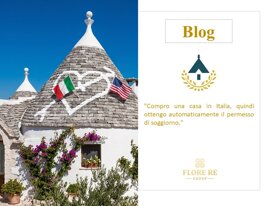
Trulli: conical stone dwellings, a UNESCO World Heritage Site, offering an enchanting and incomparable stay.
Palazzi Storici: Noble palaces in Baroque cities, offering urban elegance and cultural immersion.
The numbers speak for themselves:
📈 Growing international interest: Foreign arrivals in Puglia increased by more than 23% in the first eight months of 2025, with a 22% increase in international overnight stays.
💶 Revenue growth: Top-tier hotel management companies in the region reported a 30% increase in revenue in 2024.
🤝 Investment incentives: The region offers attractive public grant programs, which could allow qualified investors to launch projects with significant returns within the second year.
Puglia is no longer a hidden gem; it's a world-renowned destination. Demand for unique, high-quality historic accommodations outstrips supply.
Let's talk about it
https://lnkd.in/eRhZkuei
Diego Flore
#Puglia #RealEstateInvestments #LuxuryHospitality #Masseria #Trulli #HistoricBuildings #ForeignInvestments #FloreREGroup #ItalianRealEstate #HospitalitySector #ROI
Widespread Hospitality & Foreign Capital: Why International Investors Are Focusing on Italy's Historic Heritage, Even in Puglia.
For High-Net-Worth (HNWI) clients and foreign investors, purchasing and redeveloping Italy's prestigious real estate is no longer just a lifestyle choice, but a strategic asset allocation operation.
The Widespread Hospitality model (a network of scattered hotels and charming residences) today represents the perfect bridge between architectural preservation and financial returns.
Here is a key analysis geared toward international targets:
1️ Growing foreign capital (+30% high-end demand)
Demand from foreign buyers (USA, UK, Northern Europe, DACH) for prestigious properties to convert or integrate into top-class hospitality networks is steadily increasing. The primary focus: historic homes, farmhouses, and villages, perceived as safe-haven assets.
2️ Net Operating Yield (Yield 6% - 10%)
Compared with major European capitals—where net residential real estate yields often don't exceed 2.5% - 3.5%—the inclusion of an outstanding historic residence in the hospitality industry guarantees a net yield of between 6% and 10%, supported by strong international demand willing to pay premium rates.
3️ ADR (Average Daily Rate) & Average Foreign Spending
High-end international tourists prefer the authenticity of a multi-story stay over a traditional hotel (a situation that's very common in the Itria Valley in Puglia):
Average daily spending per accommodation: significantly higher (+40% compared to domestic tourism).
Average stay: 5-7 nights (versus 2-3 nights for local tourism), a key factor in reducing operating turnover costs.
4️ Impact of Deseasonalization (Occupancy Rate > 60%)
While the local market suffers from seasonality, international demand extends the seasonality from April to November, with peaks for "elite remote working" even in the winter months. This ensures stable cash flows on an almost annual basis.
Conclusion for Investors & Property Owners
Combining capital and foreign demand with the Ospitalità Diffusa model means transforming a premium property into an independent real estate brand.
An operation that protects the value of the capital over time, enhances the local area, and generates excellent business returns.
Do you attract or already manage foreign investments in local real estate? What is the main lever for your typical client? Let's talk about it.
https://www.linkedin.com/in/diego-flore-4798b9a0/